How to Spot a Spiked Weight-Loss Supplement
The FDA has flagged hundreds of weight-loss products for containing hidden prescription drugs. The sellers change names constantly, but the warning signs barely change at all.
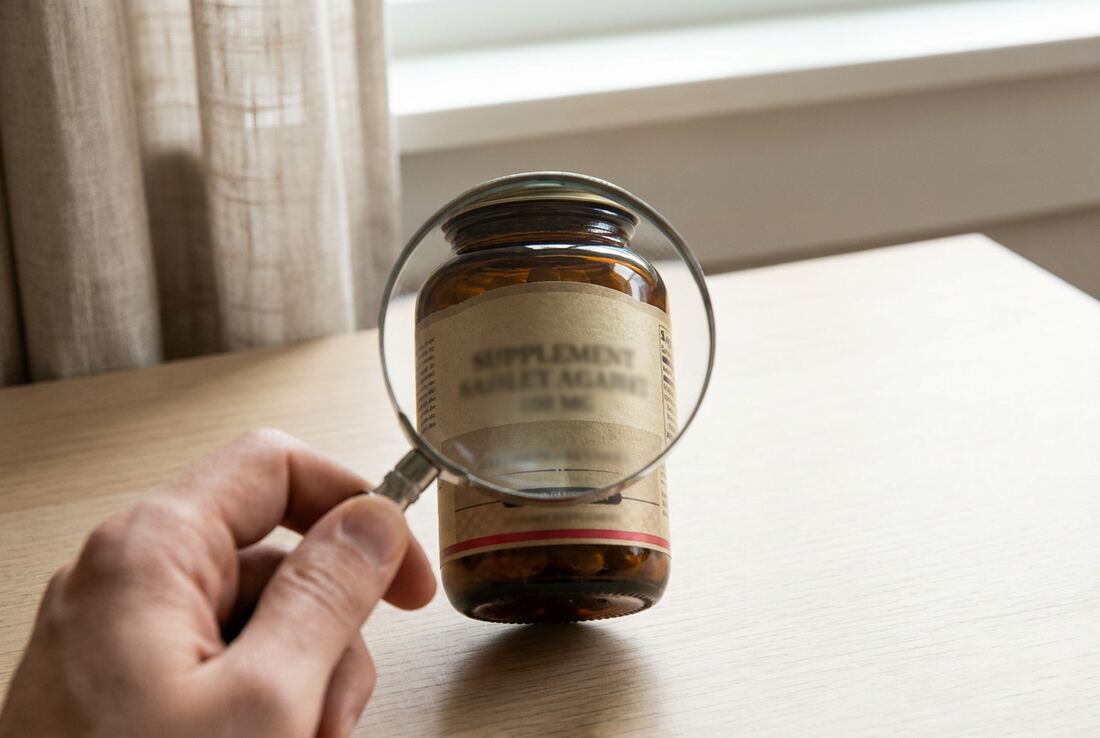
Red flags before you buy
- Drug-like promises. “Lose 10 pounds in a week, no diet needed.” Effects that strong come from drugs, and legal drugs come with a prescription and a label.
- Proprietary blends. A blend with no per-ingredient amounts can hide anything.
- “Natural” as the whole pitch. The product this site warns about was sold as natural. The sibutramine inside was not.
- No accountable company. No physical address, no phone number, a website registered last month.
- Miracle-speed results in reviews. Real reviews describing drug-strength effects are evidence of drug-strength ingredients.
Check the FDA's list first
The FDA maintains a public database of tainted weight-loss products, searchable by product name. Search for a product before you buy it, and search the seller's other products too: companies that spike one product usually spike several. The agency's health-fraud pages also explain how to report a product that harmed you.
Why this keeps happening
Supplements do not require FDA approval before sale. The agency can only act after a product is on the market, tested, and flagged, and by then the seller has often renamed the product and moved on. That enforcement gap is the whole business model, and it is why the safest assumption about any dramatic weight-loss pill from an unknown seller is that it works because of something not on the label.
The accountable alternative
If you want medication-assisted weight loss, it exists, legally and with real oversight: GLP-1 medications like semaglutide and tirzepatide are prescribed at known doses by clinicians who monitor you. The entire difference between medicine and a spiked supplement is that someone accountable knows what you are taking.